
Bruger disse bønner til caffe latte med karamel sirup og kombinationen er bare perfekt. Bønnernes naturlige sødme og chokoladetoner spiller utrolig godt sammen med karamellen, og resultatet er en blød og velsmagende kop hver gang. Klart en af mine favoritter.
Colombia Dulima Washed
- Regular price
- 159,00 kr
- Sale price
- 159,00 kr
- Regular price
Tax included.
Shipping calculated at checkout.
HOW DO YOU BREW YOUR COFFEE?
Net Weight
9 in Stock
Roasted coffee beans
Huila is one of Colombia's most important coffee regions, both historically and in terms of quality. The farmers are pioneers in new cultivation and processing methods, and the landscape is dominated by mountains and volcanoes, providing fertile soil and altitudes from approximately 1,500 to 2,300 meters above sea level. The result is coffees with clear, lively acidity and characteristic sweetness.
Colombian coffee is believed to have been brought to the country by priests in the 17th century. A popular story credits priest Francisco Romero with popularizing commercial cultivation in the 18th century by giving the congregation the penance to “plant coffee trees” – after which cultivation spread to ideal areas like Huila.


You may also like
Peru Los Quispe Gesha
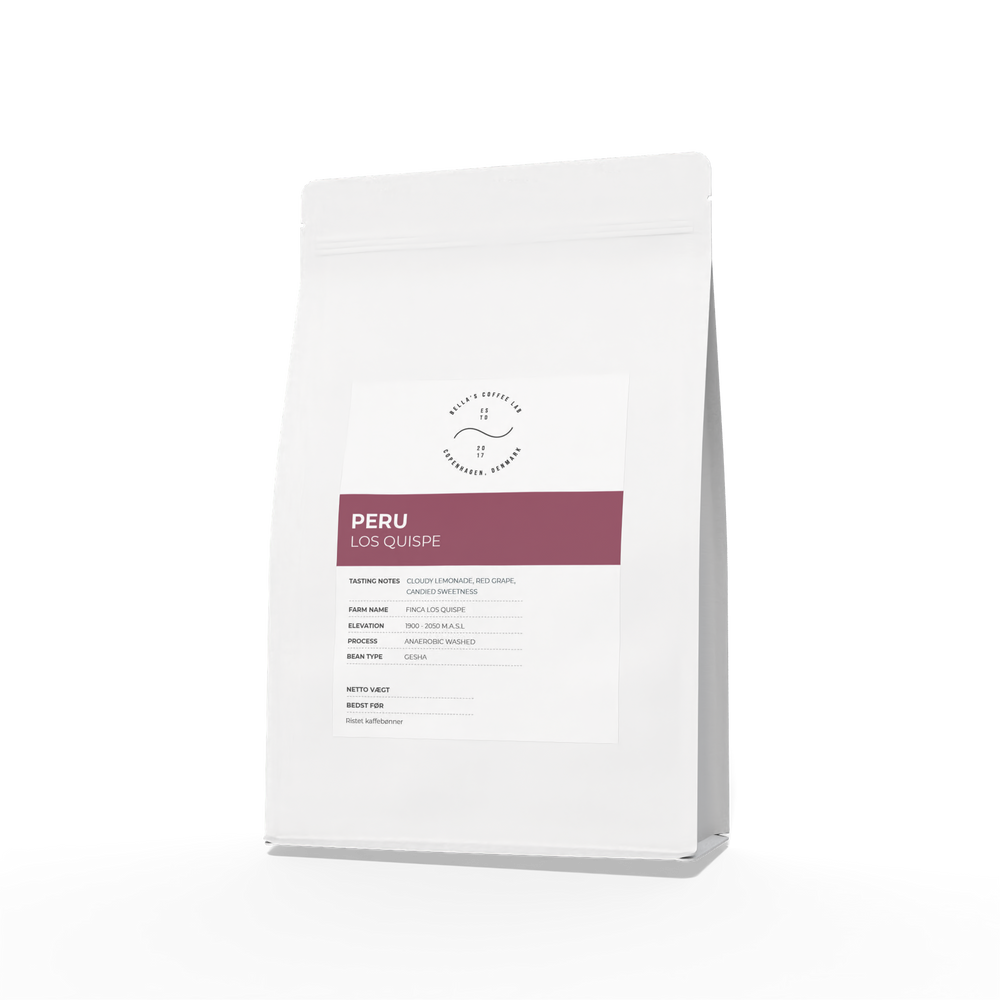
Cloudy lemonade | red grape | candied sweetness
Peru Los Quispe Gesha
200 G
- Regular price
- 229,00 kr
- Sale price
- 229,00 kr
- Regular price
Quick view
Kenya PB Kakindu
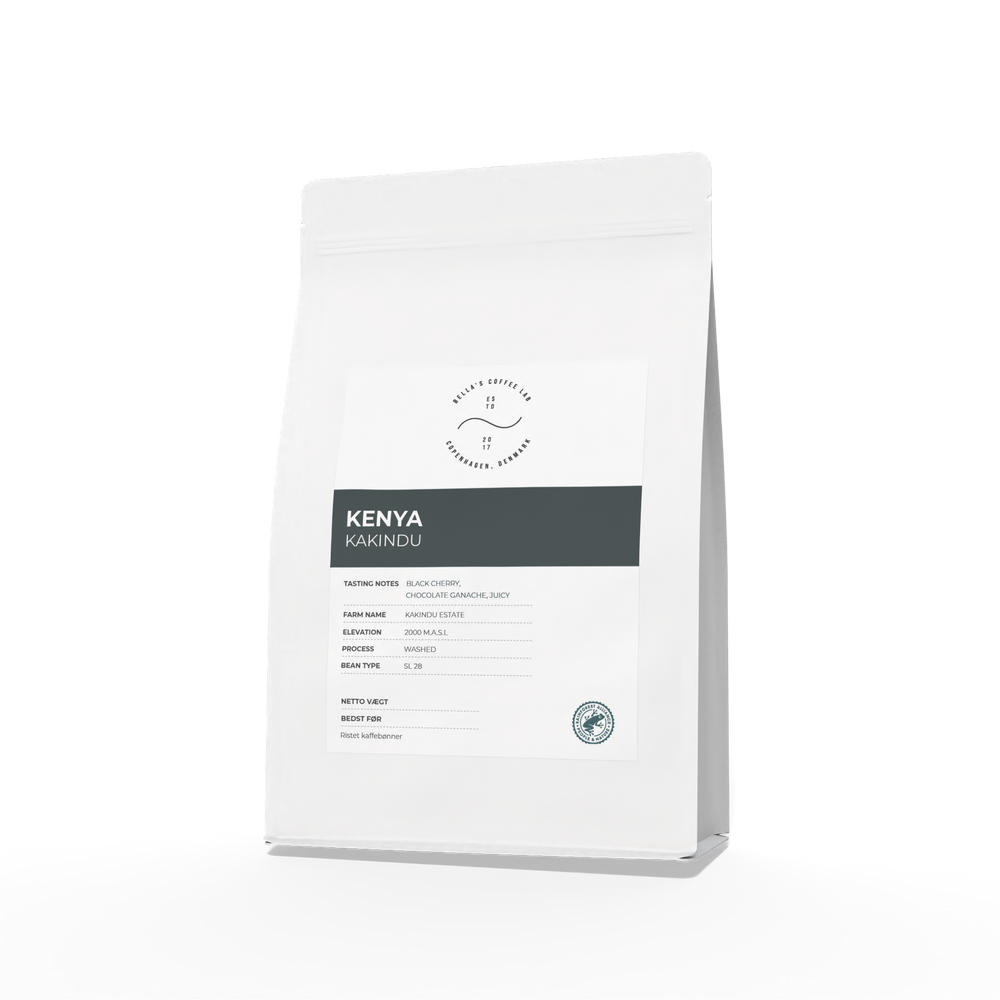
Black cherry | chocolate ganache | juicy finish
Kenya PB Kakindu
250 G
- Regular price
- 149,00 kr
- Sale price
- 149,00 kr
- Regular price
Quick view
Brazil Eagle Monte Carmelo


Chocolate | Hazelnut | Dried fruits
Brazil Eagle Monte Carmelo
250 G
- Regular price
- 159,00 kr
- Sale price
- 159,00 kr
- Regular price
Quick view
Mexico Seleccion Puebla


Cherry candy | green apple | caramel
Mexico Seleccion Puebla
250 G
- Regular price
- 175,00 kr
- Sale price
- 175,00 kr
- Regular price
Quick view